Tuesday, October 29, 2013

Make a Paper Plate Wreath With A Candle Inside

      I took a traditional children's craft, a paper plate wreath with candle, and made it a bit more interesting by crafting it three dimensionally. With these additional steps, this craft has become challenging enough to inspire a third or fourth grader. (students 9 to 10 years of age)

        Above is a series of step-by-step photos for this Christmas wreath project. You will need the following items to complete the craft:
  • scissors
  • white glue
  • 2 sturdy white paper plates
  • a toilet paper roll
  • masking tape
  • tin foil
  • child's tempera or acrylic paints in: green, yellow, blue, pink, orange, black and purple
  • narrow tinsel garland
  • a permanent ink, black felt tipped pen, thin nip
  • green and pale blue construction paper
  • tissue paper in orange, yellow and red
Directions for this Paper Plate Wreath With a Candle Inside:
  1. Cut a toilet paper roll in half, and paste it down to the lower end of one paper plate. Tape it also to the paper plate so that the glued surfaces will be given time to dry in place. This tube shape will later become your 3D candle. 
  2. Then take the second paper plate and cut the center out; following the indented circular edge of the plate. There is usually a raised embossed center circle on inexpensive, white paper plates. Your edge need not be perfectly cut. It will be eventually covered by added details.
  3. Then glue the two paper plate together with their top sides facing each other. See the picture above.
  4. Crush 3Dimensional balls with flat back from the foil. Mask the flat sides with the tape so that these will adhere to the paper plate well.
  5. Glue the foil balls to the front side of your wreath and allow the entire form to dry thoroughly over night before painting it.
  6. Layer masking tape over the foil balls so that paint will adhere to these easily. Paint them bright colors: orange, purple, yellow, and pink.
  7. Paint the interior of the wreath black and the surrounding leafy green parts of the wreath with green paint. 
  8. Let the paints dry.
  9. Now draw some pine twigs similar to the one shown just below with the black marker onto the green construction paper.
  10. Cut out the pine twigs and glue these to the surface of your pine wreath randomly. Also draw pine twigs where ever there is not a random layer of construction paper twigs added.
  11. Glue torn pieces of pale blue construction paper onto your candle shape and add the warm colored tissues for a flame. (see detailed photos below)
  12. Twist a gold metallic garland in and out of the wreath for added bling! I had to punch a few holes to the backside of my paper plate wreath in order to weave the garland through. 
  13. Add a little hook or loop of twine onto the back of your wreath and hang it onto a door or wall after this Christmas art project has dried.
A drawn example of a pine twig.
Close up of the Christmas baubles attached to the wreath and  made from foil, masking tape and paint.
A close-up photo of the paper candle made from a toilet paper tube and tissue paper.


       Did you know that lighted candles were a feature of the ancient Jewish Feast of the Dedication or Feast of Lights. This was held about Christmas-time, and it is likely that lights were twinkling in every Jewish home in Bethlehem and Nazareth at the very time of the birth of Jesus. This custom was probably merged into the Christian celebration of Christmas. Other authorities claim that the candles are a survival of the huge Yule candle used as a sign of the Light that came into the world as prophesied by John the Baptist.

"I am the light of the world. Whoever follows me will never walk in darkness, but will have the light of life." John 8:12

Sunday, October 20, 2013

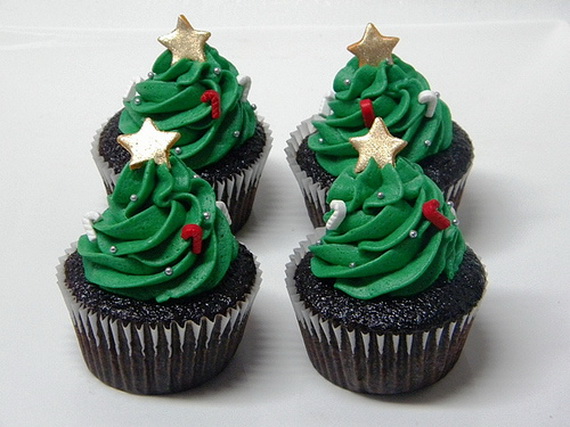
Ultimate 100 Christmas Cupcakes!

      A cupcake (also British English: fairy cake; Australian English: patty cake or cup cake) is a small cake designed to serve one person, which may be baked in a small thin paper or aluminum cup. As with larger cakes, icing and other cake decorations, such as sprinkles, may be applied.
      The first mention of the cupcake can be traced as far back as 1796, when a recipe notation of "a cake to be baked in small cups" was written in American Cookery by Amelia Simmons. The earliest documentation of the term cupcake was in "Seventy-five Receipts for Pastry, Cakes, and Sweetmeats" in 1828 in Eliza Leslie's Receipts cookbook.
      In the early 19th century, there were two different uses for the name cup cake or cupcake. In previous centuries, before muffin tins were widely available, the cakes were often baked in individual pottery cups, ramekins, or molds and took their name from the cups they were baked in. This is the use of the name that has remained, and the name of "cupcake" is now given to any small cake that is about the size of a teacup. The name "fairy cake" is a fanciful description of its size, which would be appropriate for a party of diminutive fairies to share. While English fairy cakes vary in size more than American cupcakes, they are traditionally smaller and are rarely topped with elaborate icing.
Far left, chocolate cupcakes decorated with fresh raspberries. Center left, cupcake topped with a gumdrop turtle. Center right, cupcakes iced to look like miniature cherry pies. Far right, cupcakes decorated with the aid of frosting tips.
These Cupcakes Recipes Are Perfect for Christmas Holiday Celebrations:
  1. "i give up" cupcakes....!
  2. Turtle Cupcakes 
  3. Black Bottom Cupcakes
  4. Red Velvet Cupcakes
  5. Pumpkin cupcakes with cinnamon cream cheese frosting
  6. Hot Cocoa Cupcakes
  7. Peach Cupcakes with Peach Buttercream
  8. Caramel Appletini Cupcakes ( liquor)
  9. Vegan Cranberry-Orange Cupcake Recipe 
  10. Bananas Foster Cupcakes
  11. Cranberry Bliss Cupcakes
  12. Christmas Cupcakes for the Starbucks Addict
  13. Candied Holly Cupcakes Recipe
  14. Gingerbread Oreo Cupcakes
  15. Chocolate -Peppermint Candy Cupcakes
  16. Bubblegum Cupcakes
  17. Cinnamon Chocolate Churro Cupcakes
  18. Hi-Hat Cupcakes Perfected
  19. sparkling strawberry champagne cupcakes (liquor)
  20. lemon drop martini cupcakes (liquor)
  21. Gumdrop Tree Cupcakes
  22. mudslide cupcakes (liquor)
  23. Decorate Gingerbread Boys and Girls on Cupcakes
  24. Cranberry White Chocolate Cupcakes
  25. Pumpkin Cupcakes with Spiced Mascarpone Cream Filling
  26. Gingerbread Cupcake People
  27. Orange Clove Cupcakes with Vanilla Buttercream and Clove-Candied Orange Peel
  28. Chubby Hubby Cupcakes
  29. Strawberry and Blueberry Cheesecake Cupcakes
  30. Key lime pie cupcakes
  31. chocolate whiskey cupcakes (liquor)
  32. Snickers Bars Cupcakes
  33. Salted Tiple Caramel Cupcakes
  34. Browned Butter Banana Rum Cupcakes
  35. Cookie Dough Cupcakes
  36. Party Gumdrop Cupcakes 
  37. Billy's Vanilla Vanilla Cupcakes
  38. Gingerbread Hostess Cupcakes
  39. Almond Joy Cupcakes
  40. Pistachio Pudding Cupcakes
  41. Irish Cream Cupcakes with Coffee Frosting
  42. Snickerdoodle Cupcakes
  43. Best Oreo Cupcake Recipe 
  44. Samoas Cupcake 48: Brown Sugar Butter Cupcakes
  45. Milky Way Cupcakes
  46. Southern Comfort Cupcakes (liquor)
  47. Drunken Butter Rum Cupcakes (liquor)
  48. Margarita cupcakes (liquor)
  49. Cherry Coke Float Cupcakes with Chocolate Shells
  50. How to make chocolate chip cookie dough cupcakes (3 methods)
  51. Traditional S'mores Cupcakes
  52. Snowman Cupcakes 
  53. Classic Pumpkin with Cream Cheese Frosting
  54. red hot cupcakes
  55. Old-Fashioned Hummingbird Cupcakes
  56. Lovelight Lemon-Rasberry Sorbet Cupcakes
  57. Peanut Butter Cookie Cupcakes and additional presentation here
  58. A Crowd Pleasing Lemon Meringue Cupcake
  59. Chipotle Cinnamon Chocolate Cupcakes
  60. Copycat Twinkie Cupcakes
  61. Apple of My Eye Apple Crisp Cupcakes
  62. Red Velvet and Cheesecake Marbled
  63. Chocolate Espresso Cupcakes 
  64. Banananana Daiquiris Cuppy Cakes (hic-up, liquor)
  65. Zero Bar Hi-Hat Cupcakes
  66. Root Beer Float Cupcake
  67. drunken sailor rum cupcakes (liquor)
  68. L'opera Cake Daring Bakers Challenge
  69. Fat Penguins Cupcakes
  70. Chocolate cream filled vanilla bean cupcakes with vanilla bean frosting
  71. Chocolate Whiskey and Beer
  72. Vanilla Buttermilk Cupcakes and Fantastic Buttercream Frosting
  73. Gingerbread Boys Cupcakes
  74. Malted Milk Cupcakes (English and French language)
  75. Vanilla Bean Fig Cupcakes with Orange Blossom Honey Frosting
  76. Christmas Cupcake Recipe Csaba 
  77. Mocha Cupcakes with Espresso Buttercream Frosting
  78. Creme Brulee Cupcake
  79. Earl Grey Cupcakes with Lemon Buttercream
  80. Turtle Brownie Cupcakes
  81. Ice Cream Soda Pop, Cherry on the Top! Cream Soda Cupcakes
  82. White Russian Cupcakes (liquor)
  83. Fluffy Nutella Buttercream Frosting for Cupcakes
  84. Jack Daniel's Dark Chocolate Cupcakes (liquor)
  85. Vanilla Bean-Coconut Cupcakes with Coconut Frosting
  86. Caramel Macchiato Cupcakes
  87. Strawberry Lemonade Cupcakes
  88. Chocolate Vegan Cupcakes
  89. Carrot with Maple Cream Cheese Frosting
  90. Santa Cupcakes
  91. Bomb Pop Cupcakes for a Patriotic Christmas
  92. Holiday Cupcakes
  93. black berry cabernet sorbet cupcakes (liquor)
  94. Chic Cookies and Cream - Chai Latte Cupcakes
  95. Sophisticated Dulce de Leche Cupcakes
  96. Elegant Lychee Rose Cupcakes
  97. Apple Pie Cupcakes
  98. White Chocolate Raspberry Cupcakes
  99. Kahlua Mudslide cupcakes (liquor)
  100. stout cupcakes topped with chocolate covered pretzels (liquor)

Decorating Christmas Cupcakes: 

Monday, August 12, 2013

Little Women by Louisa May Alcott

Cover of "Little Women"by Merrill.
      Little Women is a novel by American author Louisa May Alcott (1832–1888). The book was written and set in the Alcott family home, Orchard House, in Concord, Massachusetts. It was published in two volumes in 1868 and 1869. The novel follows the lives of four sisters – Meg, Jo, Beth, and Amy March – and is loosely based on the author's childhood experiences with her three sisters. The first volume, Little Women, was an immediate commercial and critical success, prompting the composition of the book's second volume, entitled Good Wives, which was also successful. Both books were first published as a single volume entitled Little Women in 1880. Alcott followed Little Women with two sequels, also featuring the March sisters: Little Men (1871) and Jo's Boys (1886). Little Women was a fiction novel for girls that veered from the normal writings for children, especially girls, at the time. Little Women has three major themes:” domesticity, work, and true love. All of them are interdependent and each is necessary to the achievement of a heroine’s individual identity.”
      Little Women itself “has been read as a romance or as a quest, or both. It has been read as a family drama that validates virtue over wealth.” Little Women has been read “as a means of escaping that life by women who knew its gender constraints only too well.” Alcott “combines many conventions of the sentimental novel with crucial ingredients of Romantic children’s fiction, creating a new form of which Little Women is a unique model.” Elbert argued that within Little Women can be found the first vision of the “American Girl” and that her multiple aspects are embodied in the differing March sisters.

      "Little Women" is a 1994 is also a drama film directed by Gillian Armstrong. The screenplay by Robin Swicord is based on the Louisa May Alcott novel of the same name. It is the fifth feature film adaptation of the Alcott classic, following silent versions released in 1917 and 1918, a 1933 George Cukor-directed release, a 1949 adaptation by Mervyn LeRoy, and a 1978 adaptation by Gordon Hessler. It was released exclusively on December 21, 1994, and was released wide on December 25, 1994, by Columbia Pictures. It is one of my family's favorite movies to watch at Christmas time.  Read more . . .

Craft a Communion Cup for The Chrismon Tree

      This little Chrismon ornament is made with cut-up egg carton parts, a bit of air-dry clay, gold spray paint and gold beads. You will also need to acquire a paper pulp egg carton, masking tape, white glue, transparent glitter and a pair of scissors to begin the craft with. This chalice has a fluted edge at it's base. The base was made by pressing tin foil into a tiny tart tin. Then the foil was covered entirely with masking tape so that CelluClay would adhere to it.
      Cut out the small segments of your egg carton until you have stacked a similar looking shape to the one on the left above. Mask each shape separately and glue these together with tacky white glue. Some egg cartons have cross shapes inside the cups. You can see one of these in the photo on the right. I pressed two small pieces of air dry clay into this cup and pulled them out. The imprint made my cross shape that I then glued onto both sides of a circular piece of cardboard to fit into the cup. This is the communion wafer. I dripped glue into this cup and firmly pressed the wafer shape into it to dry over night.
      Above is a photo of my CelluClay, papier mâché pulp, both before and after I have mixed it with water. The mixture should have a sticky thick consistency after stirring the water in. It is important to mix these two ingredients well in order to dampen thoroughly the glue that is added to the pulp at the factory. Mixing the correct proportions will take some getting used to. This is a process that you do by experimentation. Don't throw out the mixture if it is too loose, just ad more pulp. If it is too dry add more water. Then layer a thin amount over the communion cup minus the wafer. Let the cup dry for a couple of days and then spray paint it in a well ventilated area, outside is best.
       Next you will need to add a touch of white paint to the wafer and a touch of transparent glitter to the sides of the cup. I then bored a tiny whole through the wafer and strung a gold beaded hanger for the Chrismon to finish my ornament for the Christmas display.


One Bread, One Body

Scriptural Reference for the Chrismon is Luke 22:14-20

14 When the hour came, Jesus and his apostles reclined at the table. 15 And he said to them, “I have eagerly desired to eat this Passover with you before I suffer. 16 For I tell you, I will not eat it again until it finds fulfillment in the kingdom of God.”
17 After taking the cup, he gave thanks and said, “Take this and divide it among you. 18 For I tell you I will not drink again from the fruit of the vine until the kingdom of God comes.”
19 And he took bread, gave thanks and broke it, and gave it to them, saying, “This is my body given for you; do this in remembrance of me.”
20 In the same way, after the supper he took the cup, saying, “This cup is the new covenant in my blood, which is poured out for you.

 More About Communion Symbolism:

Sunday, August 11, 2013

Craft Tear Drop Shaped Chrismons with Shells

      Shells are often used in Christian churches to symbolize baptism. This is because in ancient times Christians were often baptized along side river banks, near oceans, lakes etc... Shells were readily picked up and filled with water to splash the person or persons who were being baptized. Both dunking and sprinkling were done depending on the age or fragility of the person being baptized at the time. There were no arguments concerning technique, only the point of understanding the act and the meaning behind it was considered important. Shells over the passing of time became so closely associated with the sacrament that they have been used in art and as Chrismons ever since. 
All you will need for this craft is a few shells with holes in them, glass beads and a fine strong wire. I twisted a long piece of wire through the hole in each shell and then strung a variety of gold and yellow beads, including some small glass fish, onto the wire hanger. These tear drop Chrismon ornaments make nice additions to your congregation's ornament collection not only because they add variety and texture to the mix but also because very little parish members can help put them together.
      The liturgy of baptism in the Catholic, Eastern Orthodox, Lutheran, Anglican, and Methodist traditions makes clear reference to baptism as not only a symbolic burial and resurrection, but an actual supernatural transformation, one that draws parallels to the experience of Noah and the passage of the Israelites through the Red Sea divided by Moses. Thus, baptism is literally and symbolically not only cleansing, but also dying and rising again with Christ. Catholics believe that baptism is necessary for the cleansing of the taint of original sin, and for that reason infant baptism is a common practice. The Eastern Churches (Eastern Orthodox Church and Oriental Orthodoxy) also baptize infants on the basis of texts, such as Matthew 19:14, which are interpreted as supporting full Church membership for children. In these traditions, baptism is immediately followed by Chrismation and Communion at the next Divine Liturgy, regardless of age. Orthodox likewise believe that baptism removes what they call the ancestral sin of Adam. Anglicans believe that Baptism is also the entry into the Church and therefore allows them access to all rights and responsibilities as full members, including the privilege to receive Holy Communion. Most Methodists and Anglicans agree that it also cleanses the taint of what in the West is called original sin, in the East ancestral sin.
      Eastern Orthodox Christians usually insist on complete threefold immersion as both a symbol of death and rebirth into Christ, and as a washing away of sin. Latin Rite Catholics generally baptize by affusion (pouring); Eastern Catholics usually by submersion, or at least partial immersion. However, submersion is gaining in popularity within the Latin Catholic Church. In newer church sanctuaries, the baptismal font may be designed to expressly allow for baptism by immersion. Anglicans baptize by submersion, immersion, affusion or sprinkling.
      According to a tradition, evidence of which can be traced back to at latest about the year 200, sponsors or godparents are present at baptism and vow to uphold the Christian education and life of the baptized.
      Baptists argue that the Greek word βαπτίζω originally meant "to immerse". They interpret some Biblical passages concerning baptism as requiring submersion of the body in water. They also state that only submersion reflects the symbolic significance of being "buried" and "raised" with Christ. Baptist Churches baptize in the name of the Trinity—the Father, the Son, and the Holy Spirit. However, they do not believe that baptism is necessary for salvation; but rather that it is an act of Christian obedience.
      Some "Full Gospel" charismatic churches such as Oneness Pentecostals baptize only in the name of Jesus Christ, citing Peter's preaching baptism in the name of Jesus as their authority. They also point to several historical sources that maintain that the early church always baptized in the name of the Lord Jesus until development of the Trinity Doctrine in the 2nd century.

More About Shell Art for Advent: